

Search results
Refine your search
Found results
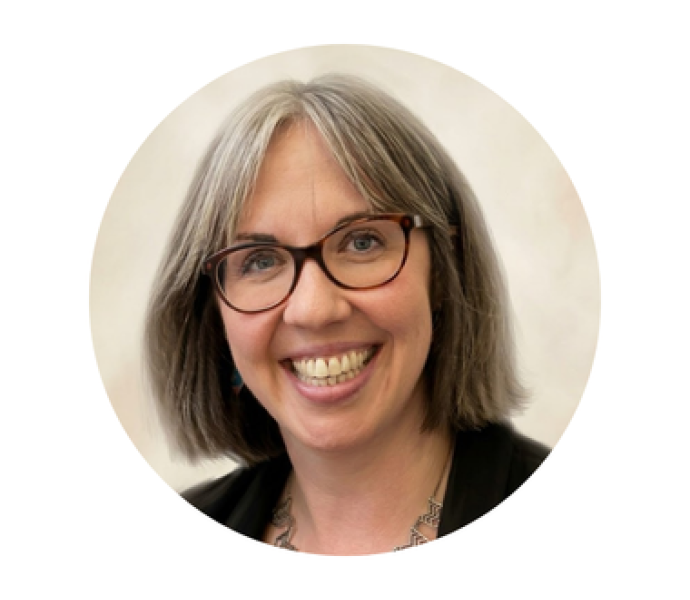
Karen Chamberlain is Headteacher at Lilian Baylis Technology School in South London and a passionate advocate for educational equity. Over a 25-year career spent entirely in disadvantaged schools, Karen has championed anti-oppressive practice and deep inclusion, creating an environment where Ofsted highlighted that pupils feel the school is "home."
Raised in Sandwell, UK, Karen’s own state education taught her the life-changing power of great teachers. Today, she combines headship with board roles at educational charities including SEO London and the Oval Learning Cluster to dismantle barriers and drive transformative outcomes for young people.
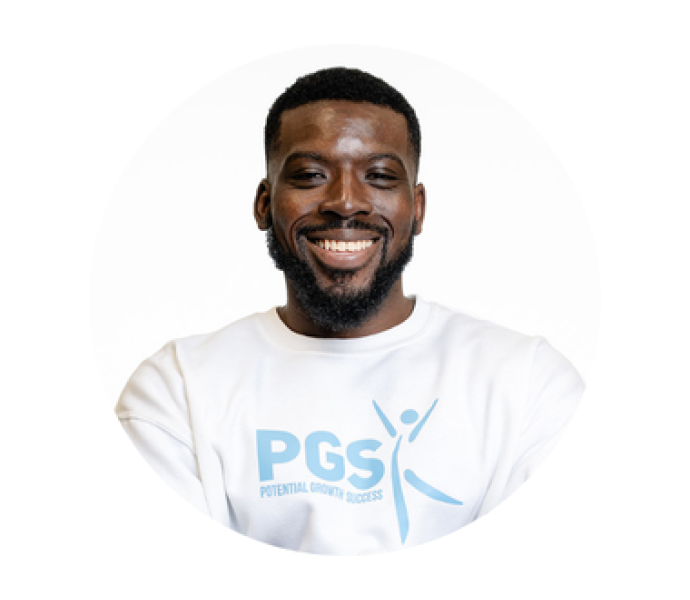
I am an experienced school leader with expertise in Behaviour and Attitudes, Personal Development, Culture and Ethos, and Raising Standards. Having faced systemic barriers and significant challenges during my own schooling journey, I am deeply committed to removing obstacles and creating equitable opportunities for all pupils. As Founder & CEO of PGS-Educators, I prioritise collaboration and building strong partnerships with schools and organisations to deliver evidence-informed interventions that bridge the gap between pupil behaviour and academic success. It is of paramount importance to me that the work I undertake enables pupils to fulfil their potential and achieve their aspirations.
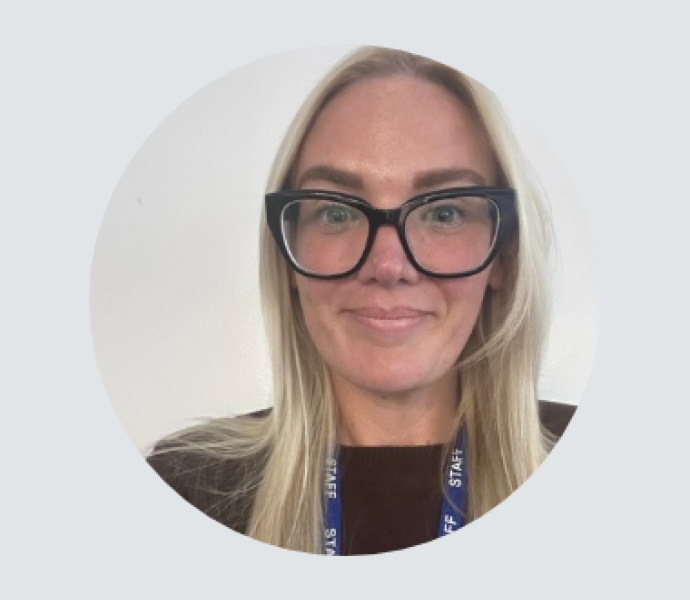
Stacey Burke is the SENDCo at Risedale Secondary School in Catterick Garrison, where she is passionate about creating an inclusive environment in which every young person feels valued, supported and able to achieve their potential. Working within a highly mobile military community, Stacey understands the challenges that frequent transitions can bring and is committed to ensuring continuity of support for pupils and their families. She works closely with local partners and services to help families navigate the SEND system, advocating for individual needs and fostering positive outcomes for young people across the community.
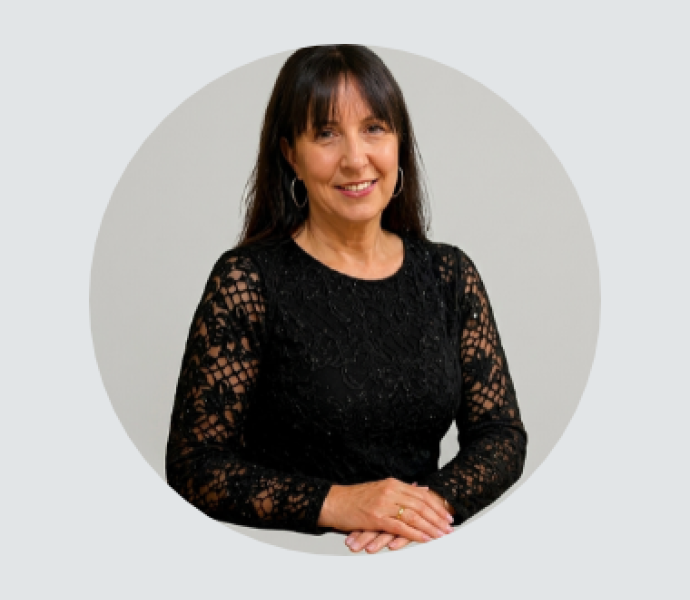
Louise Newport is the Headteacher of Carnagill Primary School in Catterick Garrison and has served in headship for 14 years, including the last eight years leading the school within its unique military community. She is passionate about inclusion and is committed to ensuring that every child, particularly those experiencing mobility and transition, feels supported, valued and able to thrive. Louise believes that strong relationships are at the heart of successful schools and works to create a nurturing environment where children, families and staff feel connected, respected and inspired to achieve their best.

Rebecca Wigham is an experienced primary school teacher with over 20 years of service in schools within the Catterick Garrison community. Since becoming SENDCo in 2018, she has played a key role in supporting and championing inclusive practice, ensuring that pupils receive the support they need to thrive. Through her involvement in the Garrison Assist Project, Rebecca has helped shape and embed a positive, nurturing and inclusive school environment where every child feels valued, supported and able to succeed.

September 2026
EdTech and the Inclusive Classroom, a free online event that will explore how technology can support, and sometimes hinder, inclusion in secondary schools.

September 2026
A new national alliance focused on improving pupils' experience of Key Stage 3 has launched a call for evidence to identify what works, and what does not, in supporting children as they move from primary to secondary education.

October 2026
Schools and post-16 settings can now access a new suite of free continuing professional development (CPD) materials designed to strengthen support for children and young people with special educational needs and disabilities (SEND).

October 2026
School staff across the education sector are being invited to take part in a dyscalculia research project from University College London (UCL) in partnership with the Dyscalculia Network.

October 2026
A new report brings together leading education, safeguarding, child wellbeing, public health experts, those with lived experience and new research, and
sets out recommendations for action.
October 2026
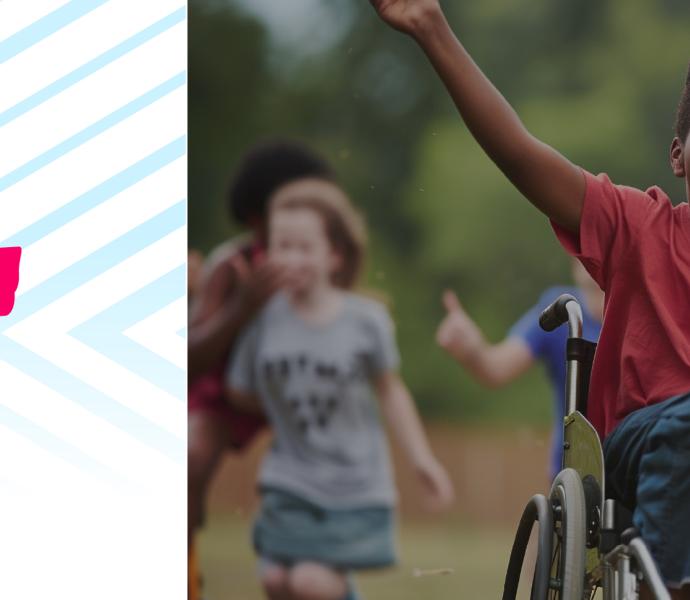
ParalympicsGB, partnered with NatWest Thrive, have launched Equal Play in PE, a new programme for the 2026-27 academic year to support teachers to deliver truly inclusive PE.

October 2026
Words Matter has published a new report on the ‘Impact and Prevention of Verbal Abuse in Education’. It calls for greater action and for schools to strengthen positive communication and relationships.
October 2026
A new government-commissioned review has called for a significant change in how children and young people with mental health needs, ADHD and autism are supported, arguing that help should be based on need rather than diagnosis.

Whole School SEND has published six self-evaluation frameworks aimed at improving the quality of provision in mainstream and special schools for children and young people with SEND.

Sarah Seleznyov, Director of London South Teaching School Alliance, writes about about a research project supporting teachers to better meet the needs of pupils with autism, run in collaboration with UCL Centre for Inclusive Education.

Written by the National Sensory Impairment Partnership

Helen Boden is CEO of the British Dyslexia Association. You can find out more about the British Dyslexia Association here: https://www.bdadyslexia.org.uk/

Interview with Professor Karen Guldberg, Director of the Autism Centre for Education and Research (ACER) at the School of Education, University of Birmingham and lead author of the AET Good Autism Practice Guidance

In her 2015 book, Teaching Gifted Children with Special Educational Needs, Professor Diane Montgomery noted that ‘if we meet the needs of pupils with DME then the school experience and the achievement of all children will be raised’.

Dr Sally Payne, Occupational Therapist and Dyspraxia Foundation Trustee